
Resound built a real-time, system-driven network model with gaiia
Read more



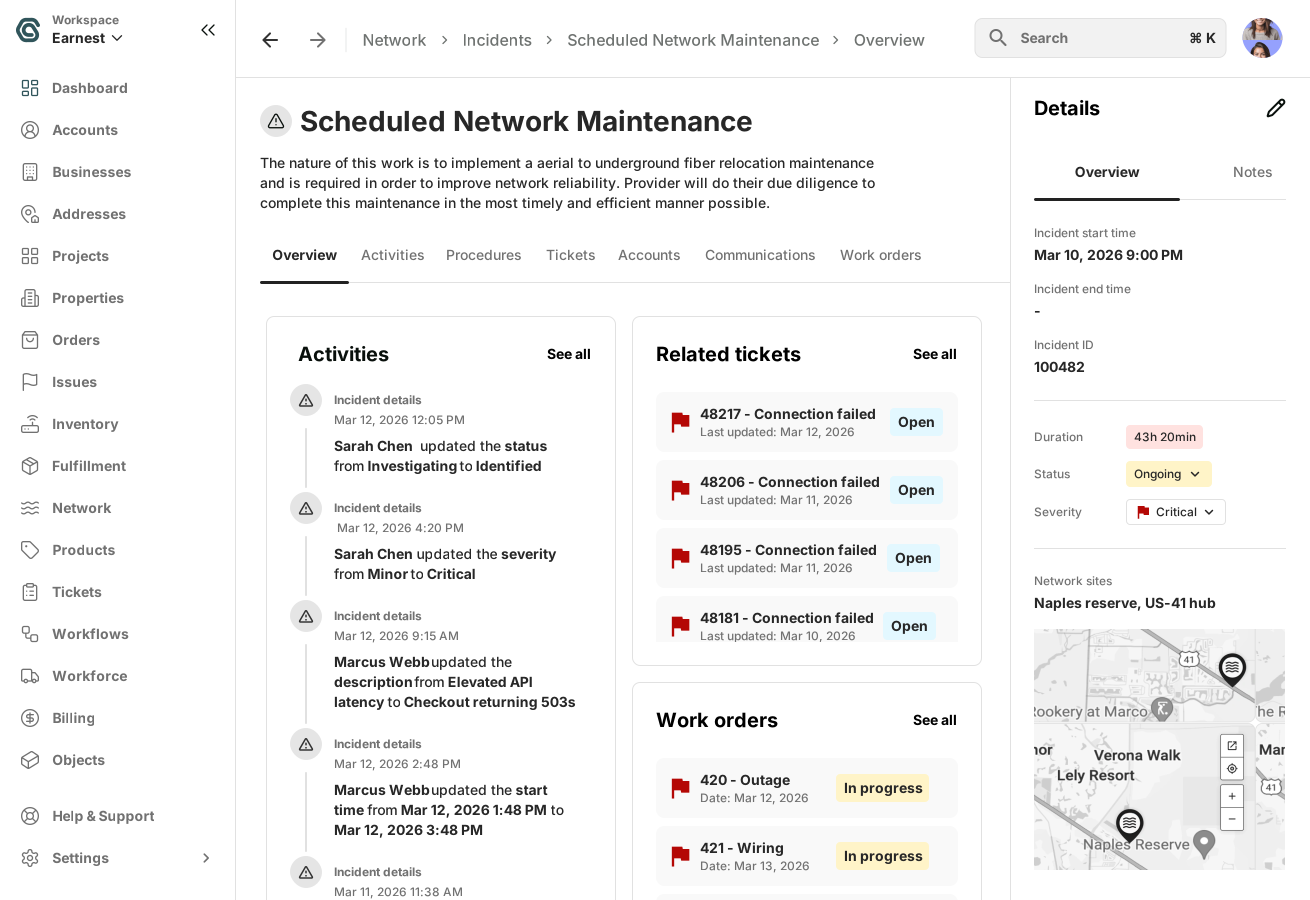
When the network drops, gaiia turns scattered alerts into a single incident you can act on: route it to the right tech, spin up a work order, and track it to resolution in one place.
Book a demo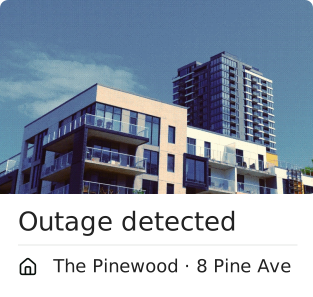

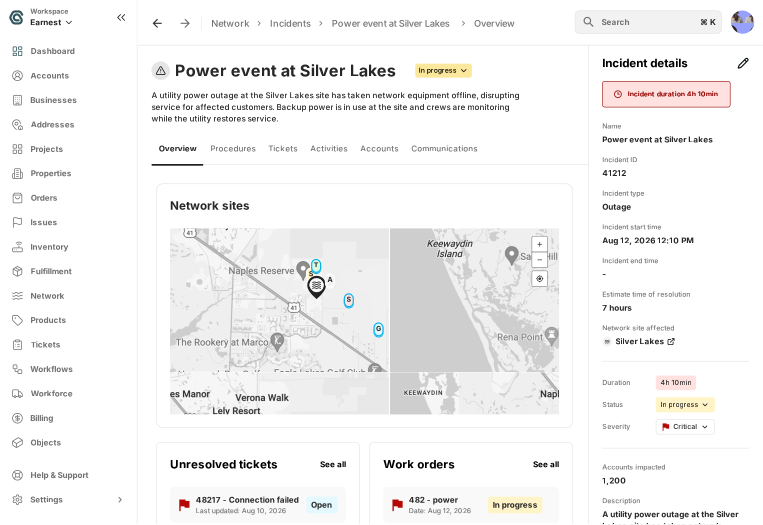
Identify the outage once, and gaiia pulls every affected subscriber into a single master case, so you work one incident instead of a hundred tickets.

Reach every affected subscriber before they call in. gaiia pushes SMS, a portal banner, and an IVR message with a time-to-restore, so customers feel informed instead of ignored.
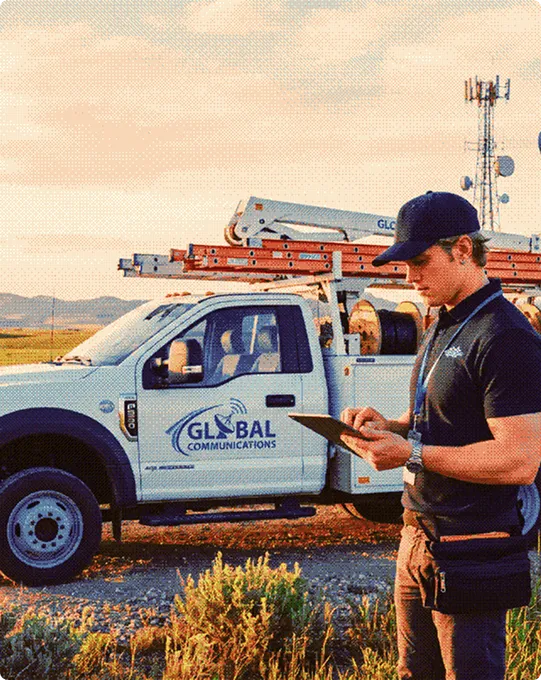
Work orders for the affected sites roll into the incident automatically, so you coordinate the fix and track resolution without leaving the page.









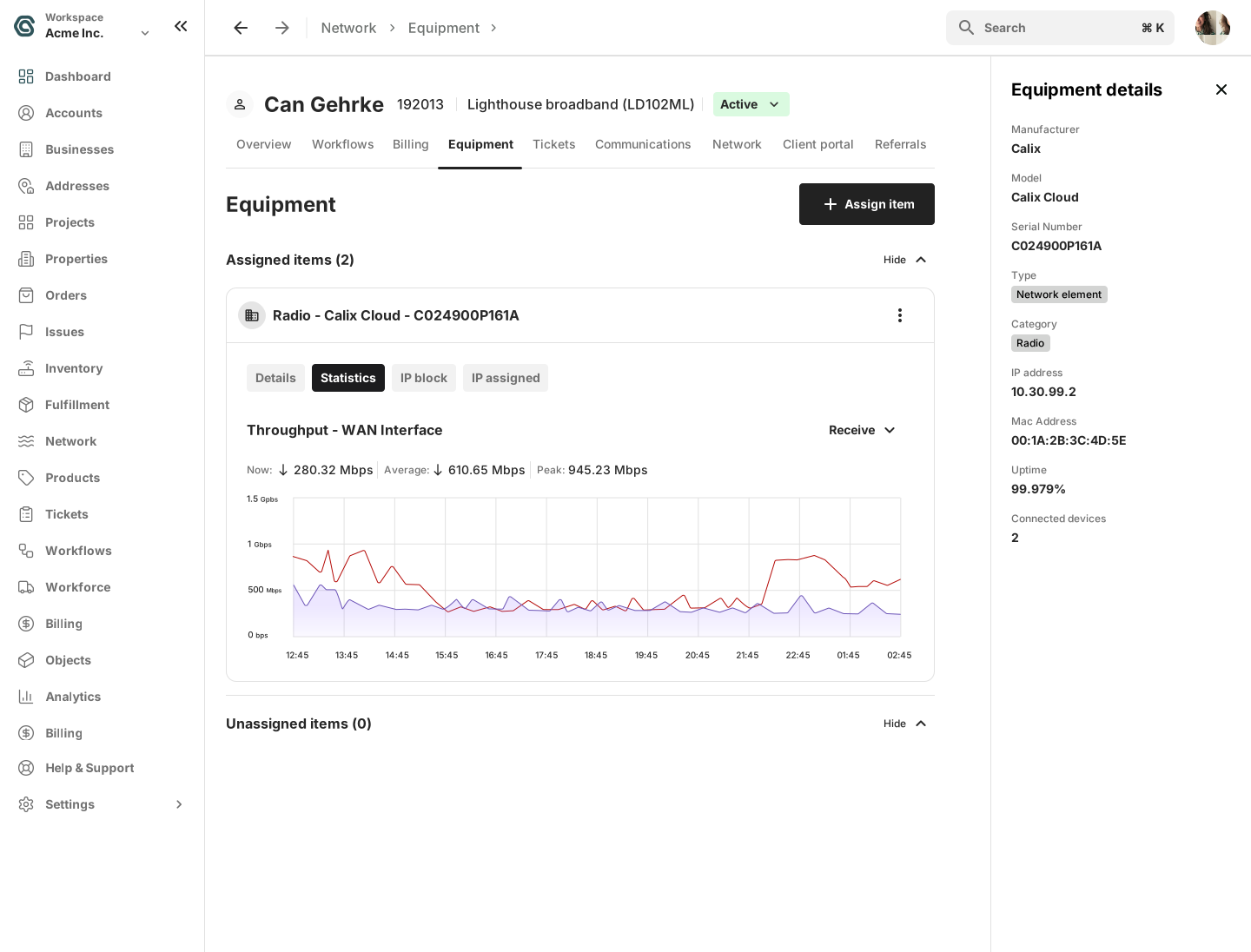
The live throughput graph reads what the connection is pushing right now, pulled on demand when you open the account.
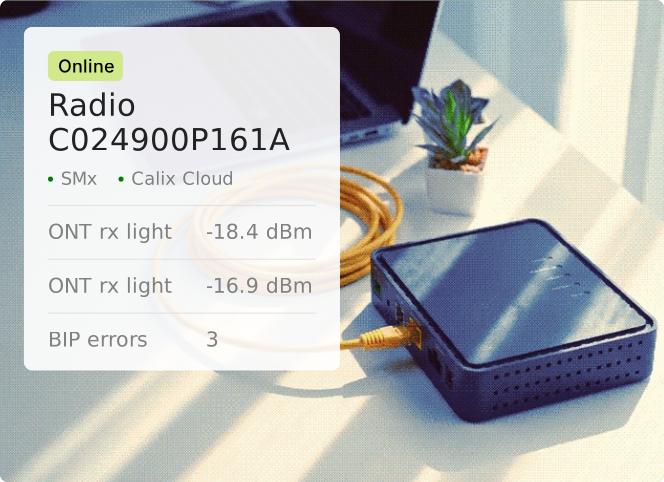
Online or offline, link state, and signal quality land in the account the moment you open it, with light levels and BIP errors included.
Get a live read on every site with throughput and latency graphs, then drill into port-level detail to see exactly what's connected where. Standing up a new site is a guided setup, not a project.
One event kicks off the whole sequence. gaiia runs IPAM, RADIUS, QoE, monitoring, and GIS in the right order, with branching logic, so the work that used to be manual steps across five systems now happens in a single flow.

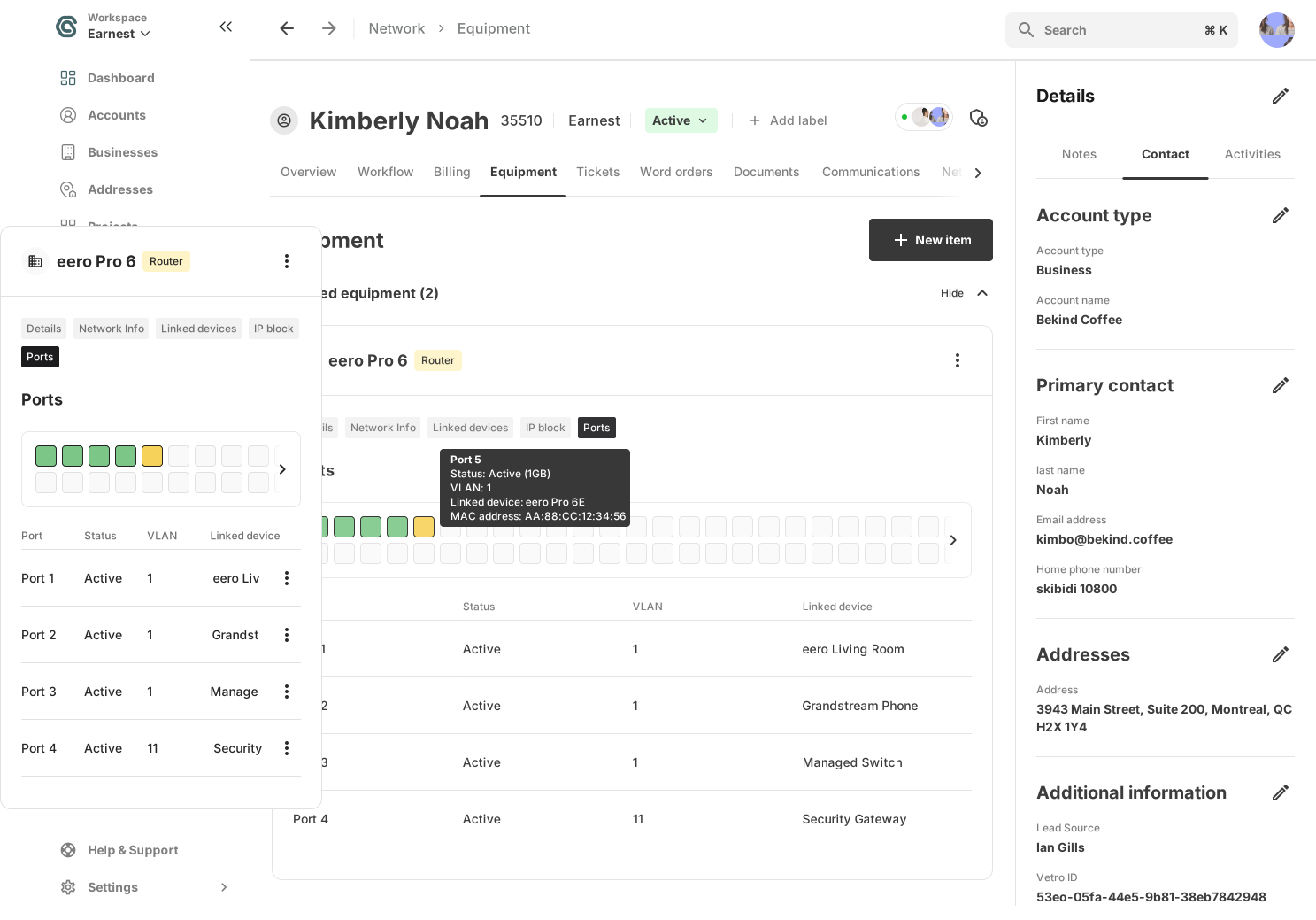
Every port on every piece of equipment, in one live view. See what's connected and where the fault is before a customer ever notices.
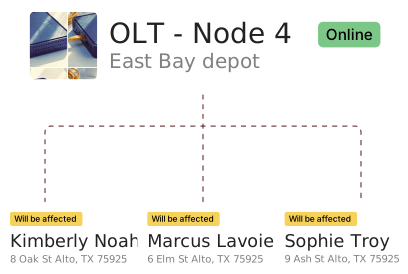
Select any device and see every customer downstream. So you know who's affected before you take it offline.
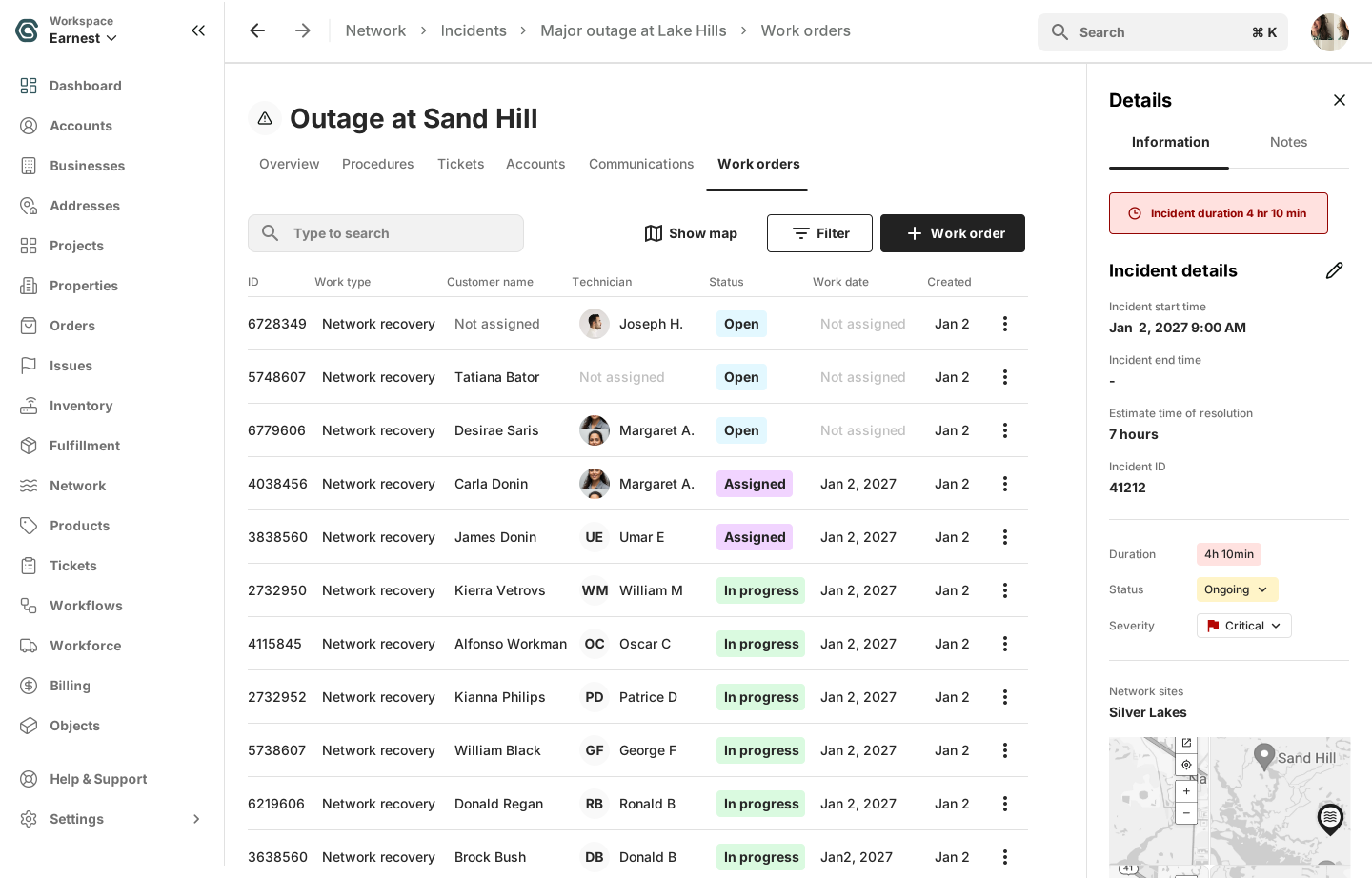
Spin up a work order from the incident and assign the nearest technician. Track every job from open to resolved, live.
Your questions answered
Everything about a network event lives in one place. Open an incident, pull in the accounts and network sites it affects, attach a response checklist, and track it through to resolution. You get a full record of what happened and when, useful for a post-incident review or an SLA conversation.
Yes. Send mass SMS or email notifications the moment an incident opens, whenever you post an update, and when it's resolved, using a saved template or a message you write on the spot. Notifications go straight to the subscribers tied to the incident, so nobody is manually compiling contact lists while the network is down.
For your connected integrations: online/offline status, connection speed, usage trends, and signal or connection quality, all right on the account. Support and field teams can triage a call without jumping into a separate vendor portal.
A "Network Site" in gaiia is your infrastructure: a headend, hut, tower, cabinet, or any physical location, represented as a record that ties together the equipment there and the customers it serves. Every site links to the accounts it serves, so if a piece of infrastructure goes down or needs maintenance, you know exactly who's affected before a single customer calls in.
gaiia connects to a wide range of networking systems: access and CPE vendors, monitoring and alerting platforms, AAA, DHCP, IPAM, and more. If your vendor isn't natively supported yet, gaiia's platform lets you build the connection yourself rather than waiting on a roadmap.
Think of gaiia as your telecom toolkit: pick the pieces you need today, add more tomorrow. No heavy lifting required.


.svg)